
Psyllium formulation expertise
Psyllium Husk for Formulation
Psyllium husk and powder, developed around the way your product mixes, hydrates and performs. Explore coated and agglomerated psyllium systems with Fybrance.
Two development directions
Surface or structure. Start with the problem.
Explore the technical rationale, then discuss the composition and evaluation your product needs.
Psyllium husk, powder and formulation performance
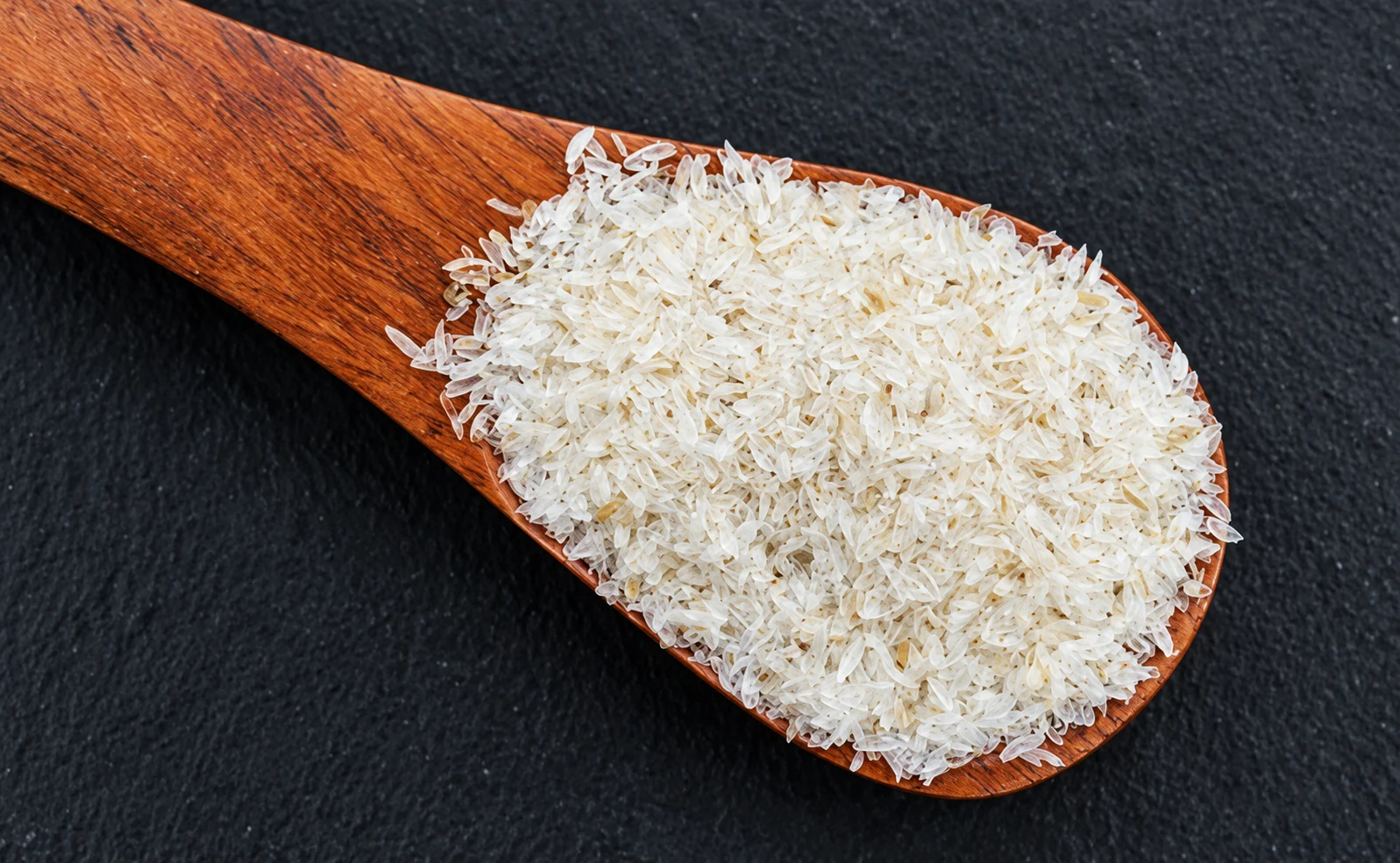
Psyllium husk is the outer seed covering of Plantago ovata. It is also known as isabgol or ispaghula. For a formulation team, its value lies in how it takes up water, develops viscosity and forms a hydrated structure. Those same properties can make mixing and processing difficult.
Husk and milled powder are starting forms, not complete performance specifications. Purity, particle distribution, moisture and processing history all need to be considered alongside the finished product.
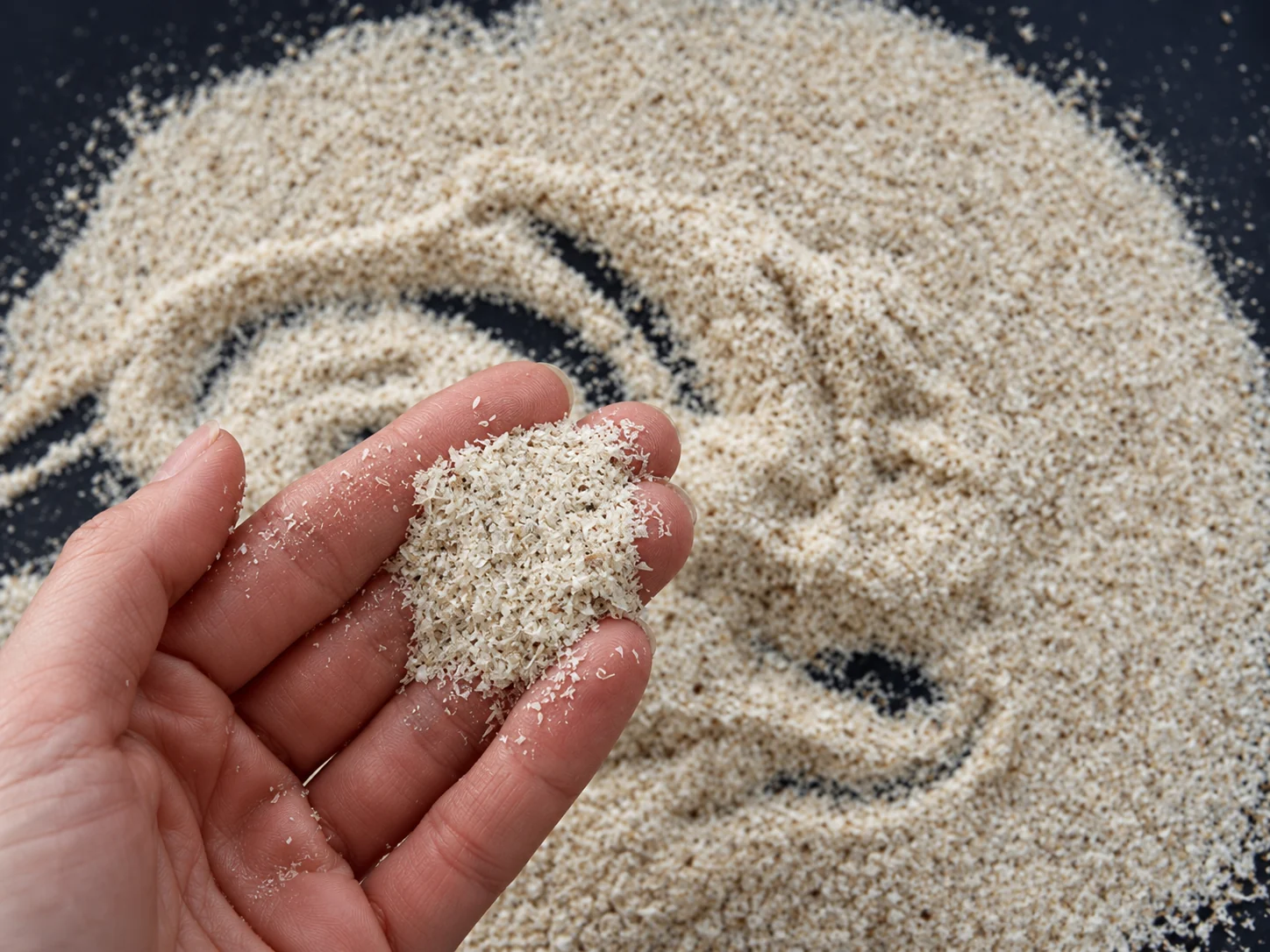
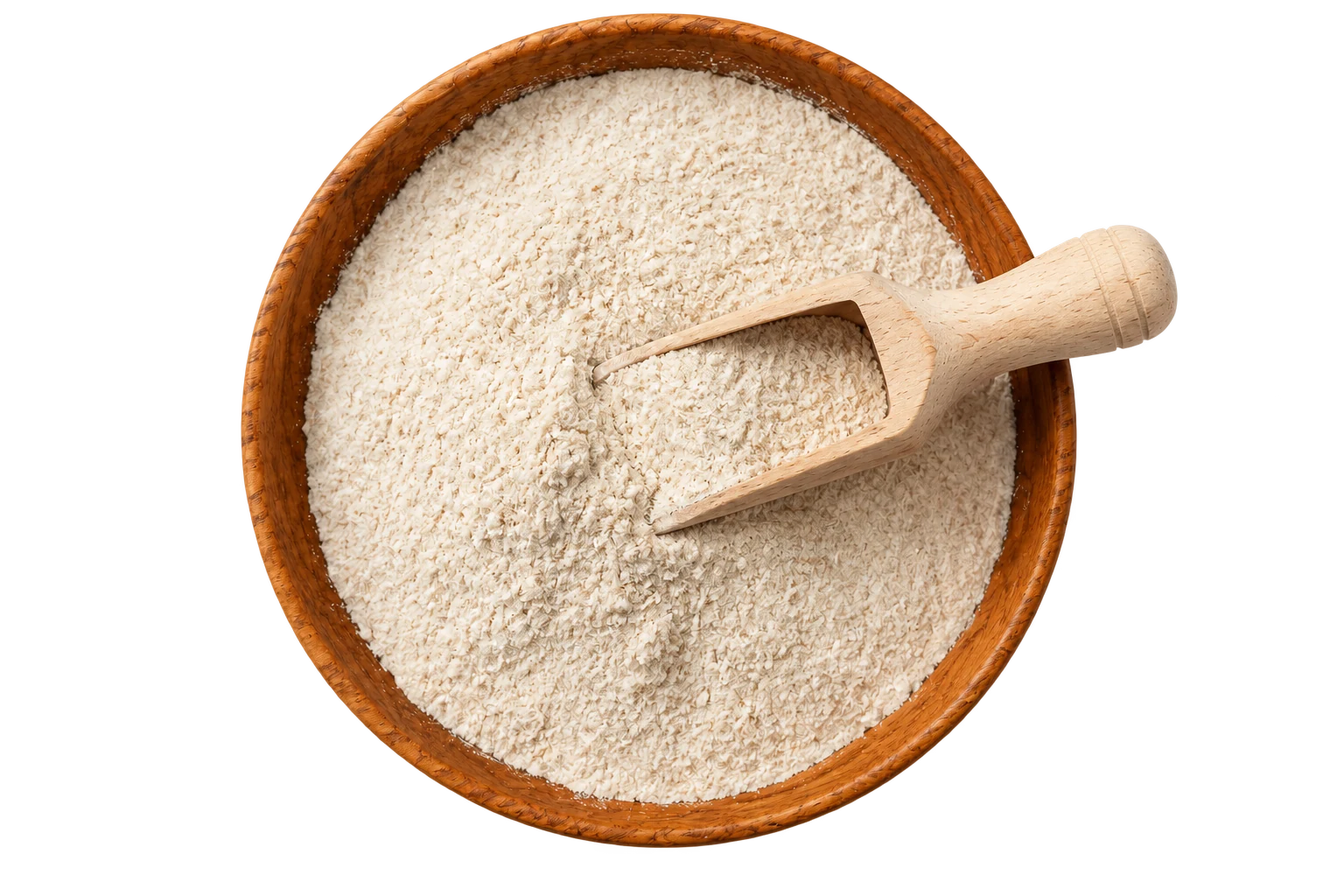
The husk contains a mucilage-forming fraction alongside less soluble material. In water it develops a swollen, viscous matrix rather than a completely clear solution. Whole husk retains a recognisable structure; milling changes particle distribution, visible texture and hydration behaviour. Specify husk purity separately from physical format.
Material characteristics to specify
| Characteristic | Formulation relevance | What to establish |
|---|---|---|
| Hydration | Water uptake develops the mucilage structure. | Preparation conditions and observation times. |
| Viscosity | Consistency changes with concentration and hydration time. | A viscosity profile in the intended recipe. |
| Cohesion | The hydrated matrix can support dough and formed-food binding. | Handling and texture after the actual process. |
| Particle size | Milling changes dispersion and visible texture. | Distribution, fines and sensory acceptance. |
| Appearance | Husk colour and retained plant particles affect the finished product. | Colour and appearance in the complete formulation. |
What happens when psyllium meets water?
Wetting is the first contact between liquid and a particle. Dispersion is the distribution of particles through that liquid. Hydration then changes the material as it takes up water, while viscosity and gel behaviour develop over time. These are related events, but they are not interchangeable measurements.
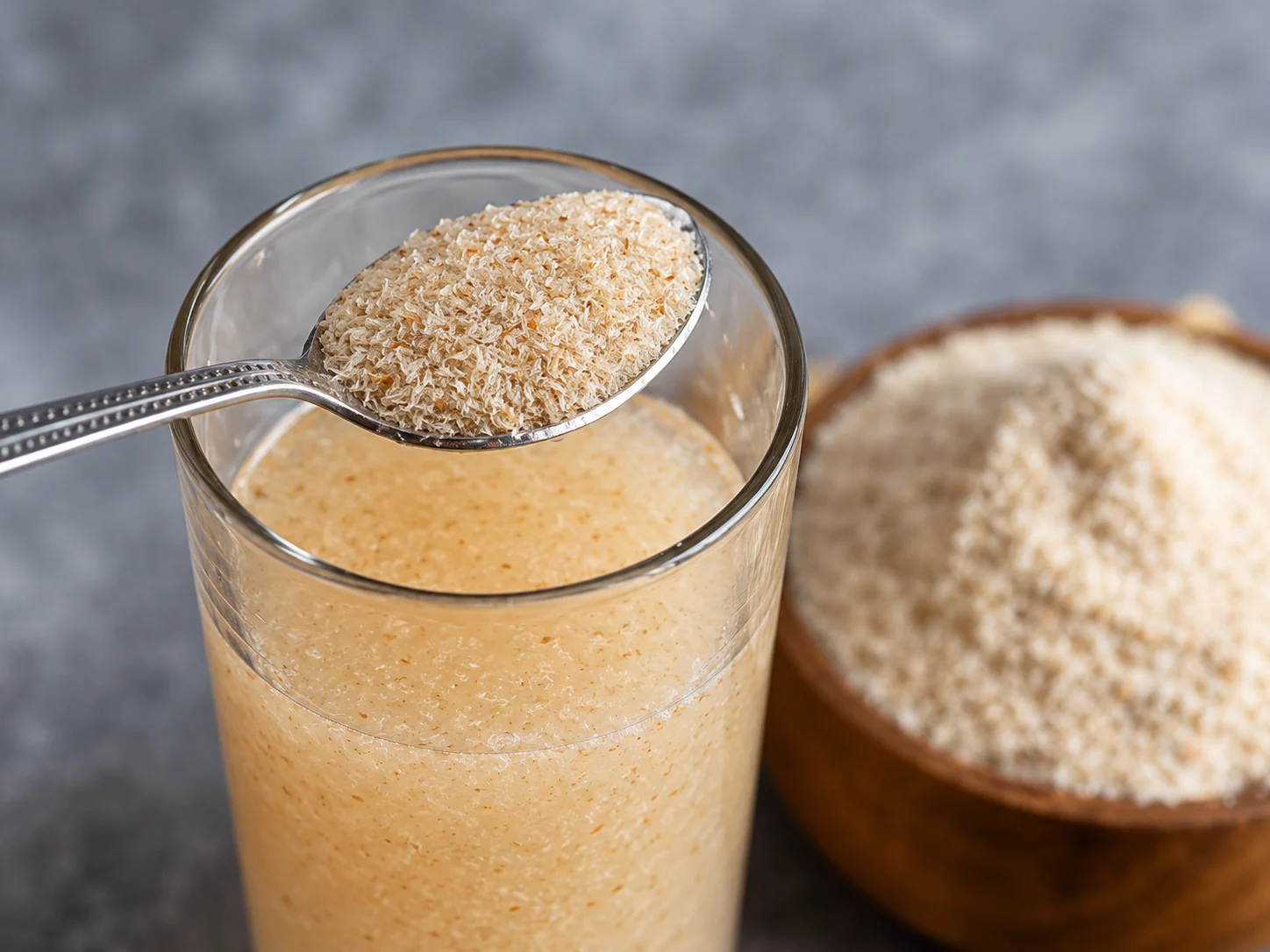
When hydration overtakes dispersion, wet surfaces can gather around dry material and create lumps. A useful formulation gives particles an appropriate preparation window while delivering the intended hydrated texture. Faster hydration is not always the right goal, and easier dispersion does not mean psyllium becomes completely soluble.
In doughs, resting time changes consistency as the hydrated matrix develops. Water held by psyllium changes the amount available to starch and proteins during baking, so water addition and rest time need to be assessed together. In drink preparations, assess viscosity through the intended drinking period, not only immediately after mixing.
Two approaches to psyllium formulation
| Category | What changes | Options | What to compare |
|---|---|---|---|
| Coated Psyllium Husk & Powder | Particle surface | Lecithinated, acacia-coated and multi-fibre-coated | Coating identity, base form, wetting, dispersion and hydration. |
| Agglomerated Psyllium Powder | Particle structure | Water-agglomerated, acacia-bound, maltodextrin-bound and multi-fibre co-agglomerated | Binder strategy, granule distribution, integrity, handling and preparation. |
The categories describe different development priorities, not mutually exclusive technologies. Coating may also bind particles; agglomeration may leave a treated surface. Fybrance's formulation discussion starts with the application problem and defines the proposed composition, process and evaluation together.
For an easy mix psyllium drink with fewer persistent lumps, begin with the coated psyllium formulation options and compare them against your current grade. The category guide sets out how to evaluate a no clump psyllium brief and the texture requirements of easy to drink psyllium. For mixing-time targets, use the fast mix psyllium evaluation guide.
Select around the application
| Application | Start with the problem | What the trial must show |
|---|---|---|
| Beverage powders and sachets | Floating powder, dry-cored lumps or an unsuitable preparation window | Wetting, distribution, sensory texture and viscosity through the intended use period. |
| Protein and nutrition powders | Fibre interaction with protein, minerals and flavour systems | Behaviour in the complete recipe, not only in water. |
| Bakery and gluten-free foods | Water balance, dough handling and structure | Mixing, proofing where relevant, bake results and texture after cooling. |
| Flatbreads, wraps and formed plant-based foods | Binding, flexibility or cohesion alongside flour and protein | Handling, breakage, cooking behaviour and texture after cooling. |
| Flour and staple-food premixes | Uniform blending, hydration and handling | Particle compatibility and finished-food trials. |
Clear beverages and products requiring negligible thickening need a different starting discussion. Psyllium's gel-forming character remains relevant after coating or agglomeration. For broader development support, explore fibre formulation science.
Supporting fibres, with a defined purpose
A supporting ingredient may serve as a coating component, an agglomeration binder or another part of the recipe. These roles should not be confused. Acacia, PHGG and resistant dextrin are candidate fibres for custom development; conventional maltodextrin has a different ingredient and nutritional context.
Multi-fibre options are developed around the application. Ingredient identities, proportions, analytical methods and preparation behaviour are established before making finished-product claims. See acacia fibre, PHGG and resistant dextrin for ingredient background.
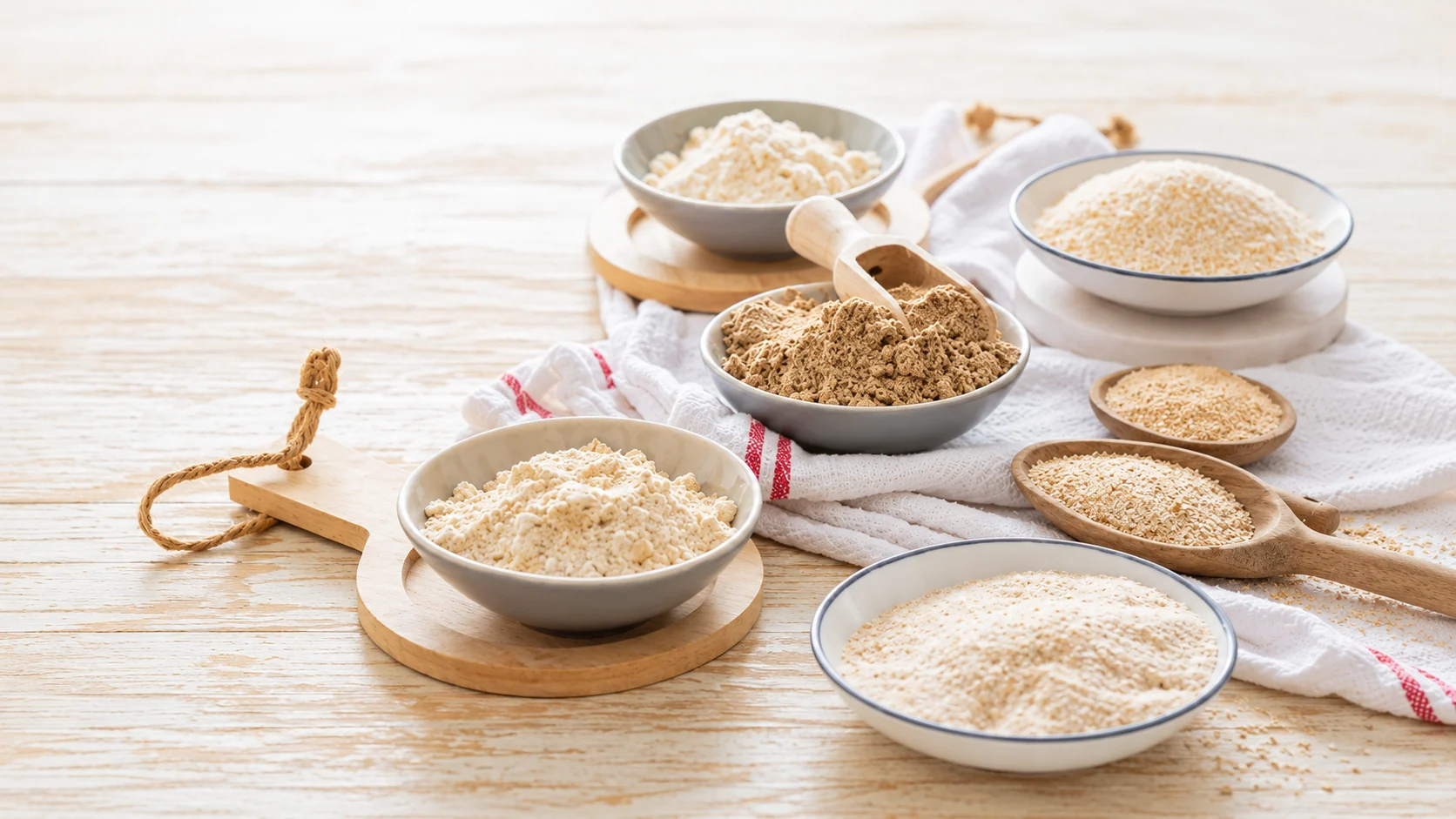
Compare psyllium with other ingredient directions
PHGG is a useful comparison when soluble fibre is wanted with limited viscosity development. It does not replace psyllium's structure-building role directly. Konjac glucomannan is another strongly hydrating ingredient, but its gel behaviour and processing requirements differ. Flax fibre brings a mixed seed matrix with its own mucilage, appearance and sensory profile.
Choose around the required behaviour and complete recipe. A substitution based only on equal fibre weight can change water demand, mixing and finished texture.
Build an evaluation that answers the real question
Start with a current material and a clearly described issue. Compare the proposed option at equal psyllium content, then test the intended finished serving or recipe. Keep liquid, temperature, addition order, mixing method and observation times consistent.
Measure wetting, residual lumps, hydration and viscosity separately. For powders, include particle distribution, fines, flow and granule integrity after handling. For food systems, include actual processing and finished-product texture. A single photograph or viscosity number cannot establish application fit.
Documentation and formulation support
Send the product format, current mixing or processing problem, target market, acceptable ingredients and expected scale. Fybrance can discuss the proposed route, evaluation brief and relevant specification requirements.
Request composition, a technical data sheet, batch certificate of analysis, analytical methods, allergen information and storage guidance for the selected material. Origin, certification scope, residue results and other declarations are reviewed where relevant. Packaging, samples, availability and supply terms are confirmed during enquiry.
Evidence and technical reading
Historical publications describe acacia-based psyllium coating and agglomeration and maltodextrin-based agglomeration. These sources help explain processing principles. They are not evidence of Fybrance manufacturing equipment, a validated Fybrance grade or guaranteed performance.
Psyllium knowledge library
Follow the formulation question further.
Explore material selection and technical reading, with consumer information listed separately.
Technical guides and ingredient selection
Psyllium for Bakery Applications Controlled-Particle Psyllium Powder Instantised Psyllium Micronised Psyllium Psyllium for Organic Requirements Steam-Treated Psyllium Psyllium and Microbial Research Psyllium Husk vs Psyllium Powder: What Is the Difference? Resistant Starch and Psyllium: Different Selection Questions Why Psyllium Clumps and How to Take It Better Why Psyllium Forms a Gel in Water Why Psyllium Is Different From Many Fibres Psyllium Texture, Mixing and Everyday UseConsumer information and preparation
Gentle Psyllium Psyllium Husk and Isabgol How to Take Psyllium or Isabgol Daily Psyllium Use: Check the Product and Purpose Common Mistakes People Make with Isabgol and Psyllium How Much Water Should You Take with Psyllium? Choosing a Time to Take Psyllium A Beginner’s Guide to Psyllium Husk Starting a Psyllium ProductTechnical questions
Before you select a format.
What is the difference between psyllium husk and psyllium powder?
Powder is a milled particle form of the husk. Particle distribution affects handling, preparation and sensory texture, but form alone does not describe the full specification.
Which is better: coated or agglomerated psyllium?
The choice depends on the application. Coating focuses on surface treatment; agglomeration focuses on larger particle structures. Compare the proposed composition and measured preparation behaviour.
Can you develop an application-specific psyllium formulation?
Share the finished-product brief, preparation conditions and acceptable ingredients. Fybrance can discuss the development route, evaluation scope and proposed material, with specifications and availability confirmed during enquiry.
Are the new options ready-to-buy retail supplements?
These pages describe B2B formulation options for technical evaluation and enquiry. Consumer preparation guidance is linked separately and does not provide directions for these development options.
Start with your product
What happens when you add psyllium?
Tell us what you are making, how it is prepared and what needs to improve. We will discuss the formulation direction, specification requirements and evaluation scope.