Cholesterol and bile acids
Why Psyllium Is Different From Many Fibres
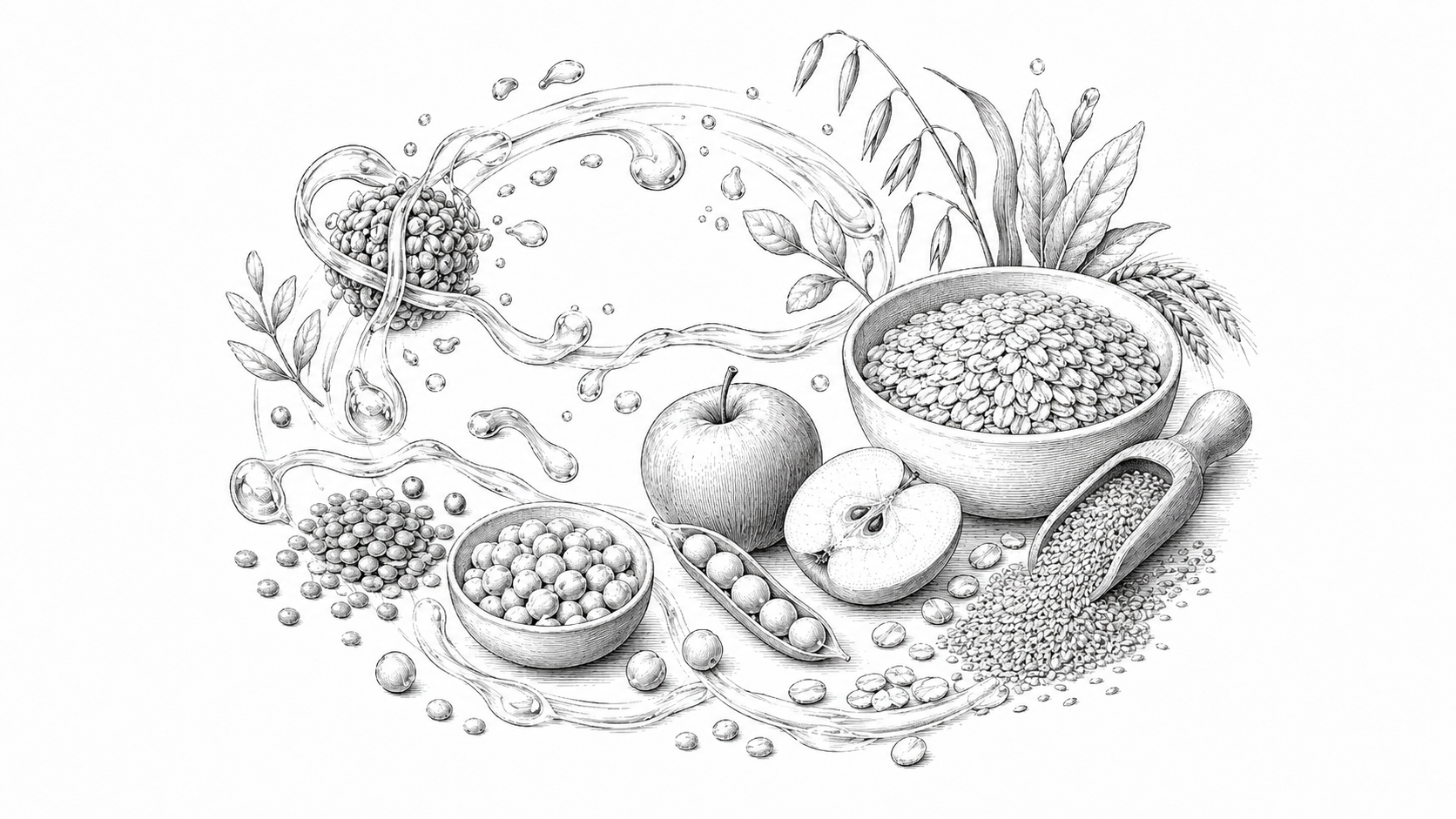
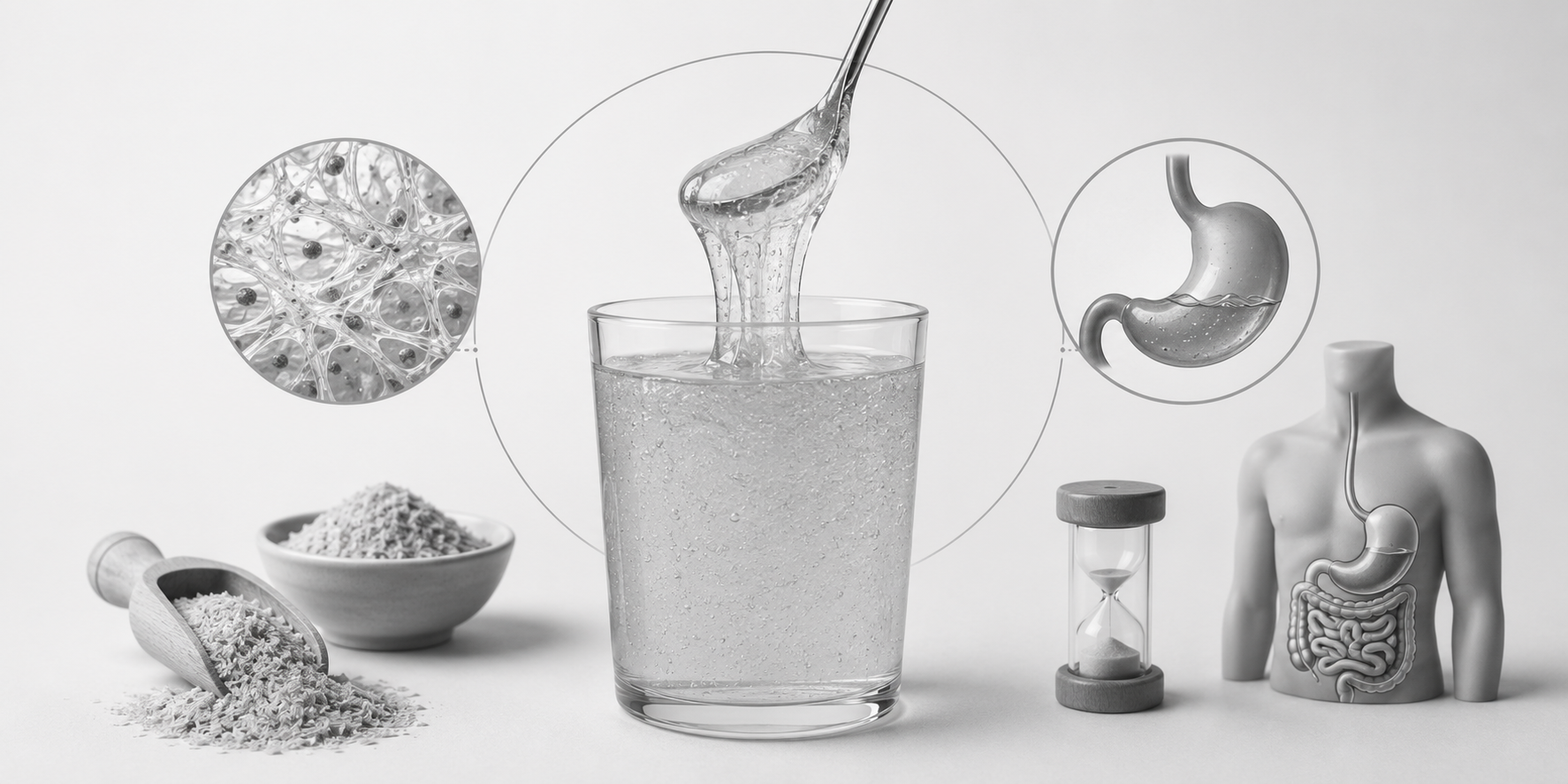
Psyllium stands apart because it can swell, hold water, and form a viscous gel at practical use levels.


Fybrance
Explore Fybrance articles and technical guides about dietary fibres, food, nutrition and formulation.
140 articles and guides
Cholesterol and bile acids
Psyllium stands apart because it can swell, hold water, and form a viscous gel at practical use levels.
Daily fibre gains
A meal can contain calories and still feel unfinished when it gives the gut very little structure.
Glucose response
Adding fibre to a sweet product does not erase the sugar. It only changes part of the digestion context.
Glucose response
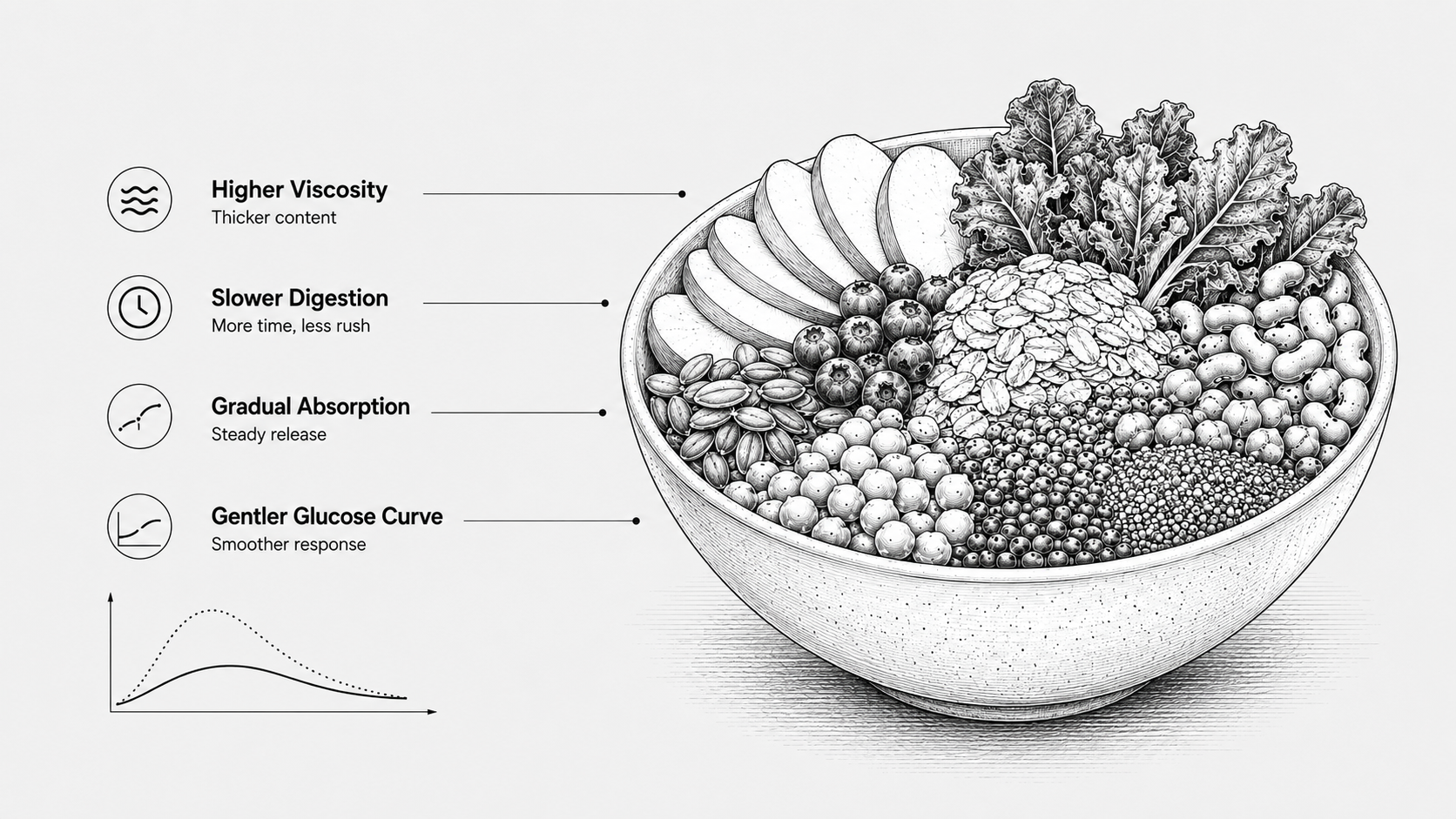
Glucose is not just about sugar. It is about speed, and fibre is one of the ways food learns to slow down.
Glucose response
The glucose response to a staple food changes when the plate includes pulses, vegetables, fat, texture, and fibre.
Glucose response
The same carbohydrate quantity can feel different in the body when absorption is fast, moderate, or slowed by meal structure.
Glucose response
In glucose-aware formulations, viscosity can change enzyme access, mixing, and the speed of nutrient movement.
Daily fibre gains
Water helps fibre swell, soften, gel, and move comfortably through digestion. The pair matters.
Satiety and texture
Hunger and fullness are shaped by food structure, digestion, signals, sleep, stress, routine, and the meal environment.
Satiety and texture
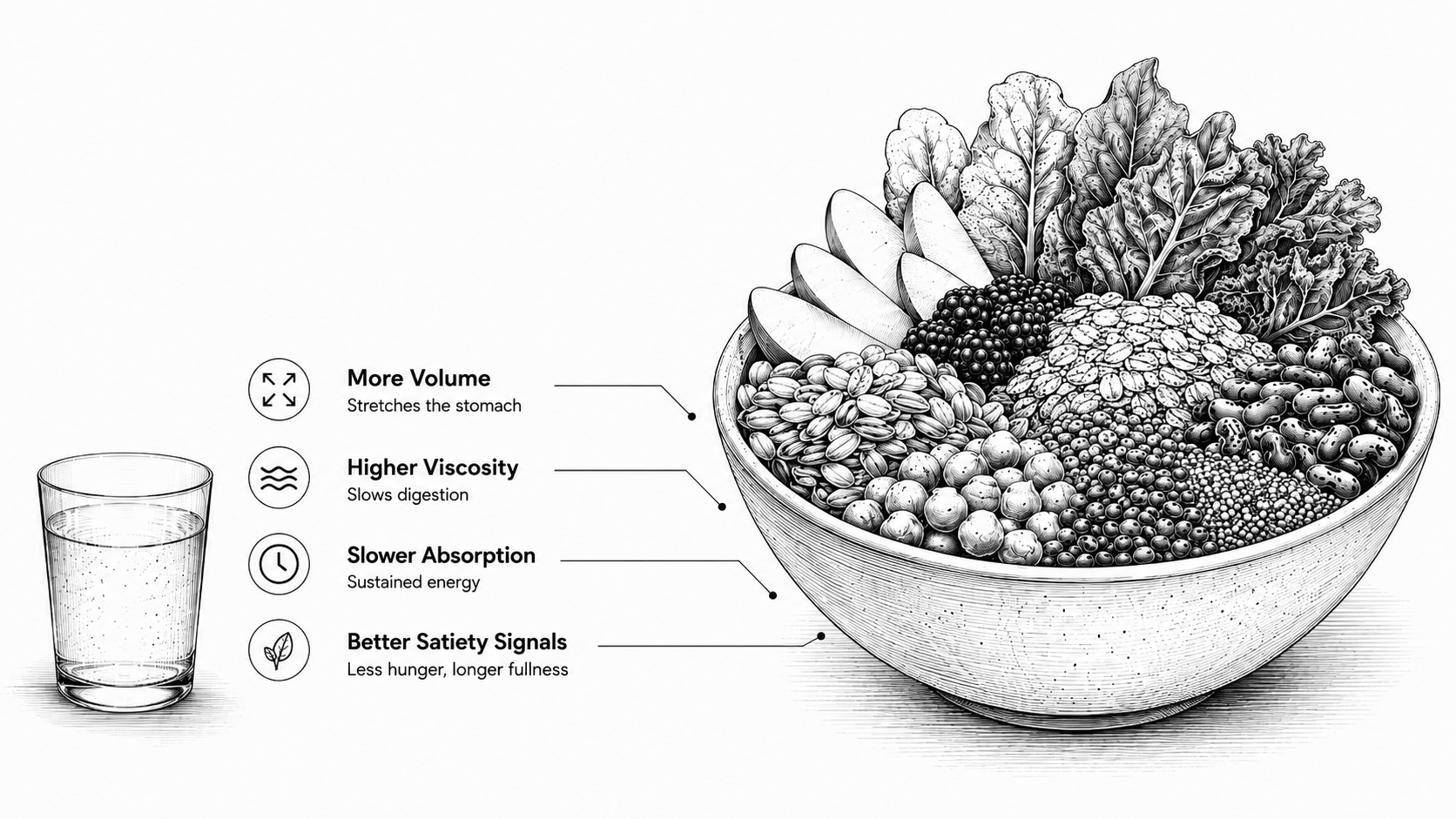
Fullness is not decided only by calories. It is shaped by texture, volume, water, viscosity, and the way food moves through the digestive system.
Satiety and texture
The mouth and stomach read texture before a nutrition panel ever matters. Fibre helps shape that signal.
Satiety and texture
A drink or meal can feel more complete when fibre changes body, thickness, and movement through digestion.