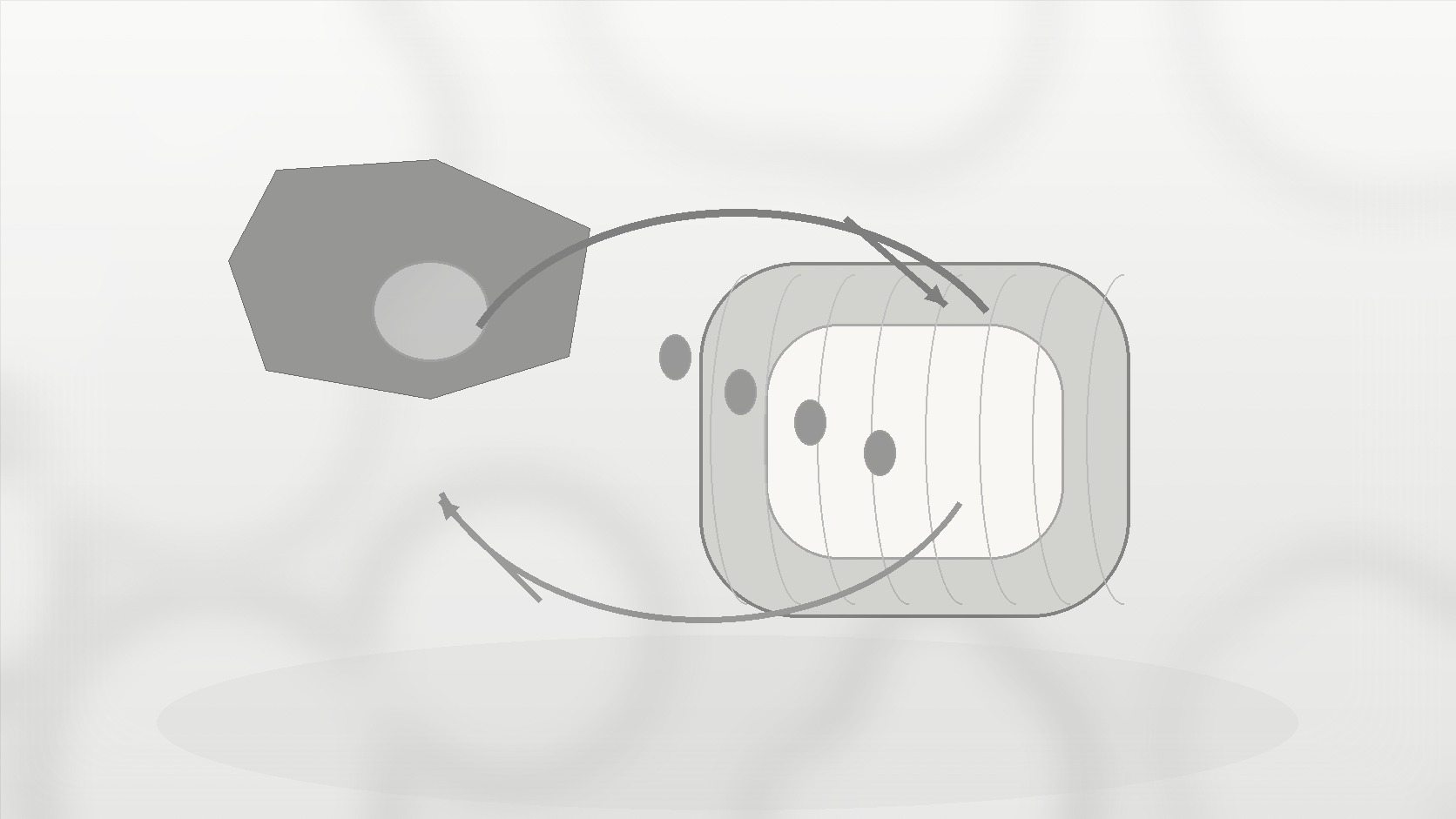
Bile acids are made in the liver and released into the gut to help handle dietary fat. After doing that work, most of them are not wasted. The body is efficient. It reabsorbs them and sends them back to the liver for reuse.
That recycling route is called enterohepatic circulation. It is one reason the gut and liver should not be treated as separate stories. What happens inside the intestine can affect what returns to the liver. When a fibre changes viscosity or traps some bile acids inside the gut contents, it can nudge this recycling system. The mechanism is quiet, but it is physiologically meaningful.
Your privacy choices
Your cookie choices
Essential cookies support the website. Optional cookies are used only with your choice. You can review or change your settings at any time.