Source clarity
People should know whether the fibre comes from grains, pulses, fruits, seeds, gums, resistant starch, gel-forming fibres, or a blend of sources.

For consumers
Fibre belongs in everyday nutrition. Fybrance explains it through food sources, plant fibres, preparation, serving context, water, texture, and responsible communication.
Good fibre habits start with ordinary food.
Vegetables, fruits, pulses, whole grains, millets, nuts, and seeds remain central to fibre intake. Concentrated fibre ingredients can also be useful when the source, serving, preparation method, and tolerance are clearly understood.
The important point is not only how many grams of fibre appear on a label. People also need to know what kind of fibre it is, how it behaves in water or food, and how it fits into a routine.
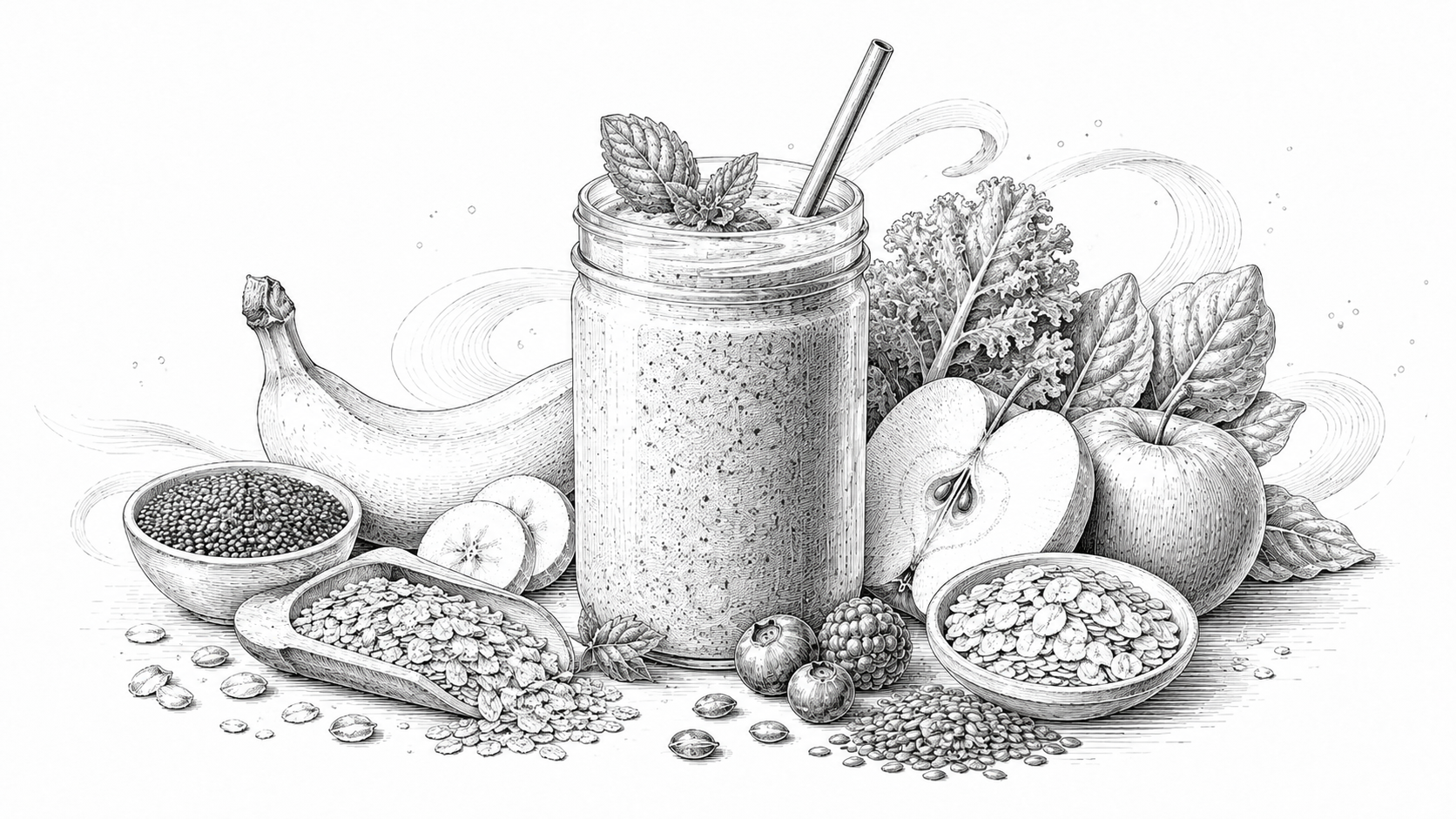
What daily fibre needs
People should know whether the fibre comes from grains, pulses, fruits, seeds, gums, resistant starch, gel-forming fibres, or a blend of sources.
Fibre use changes with water volume, mixing method, wait time, temperature, and whether the format is stirred, shaken, cooked, or blended.
Some fibres stay light, some thicken, some form gel, and some add body. Clear guidance helps people choose the experience they can repeat.
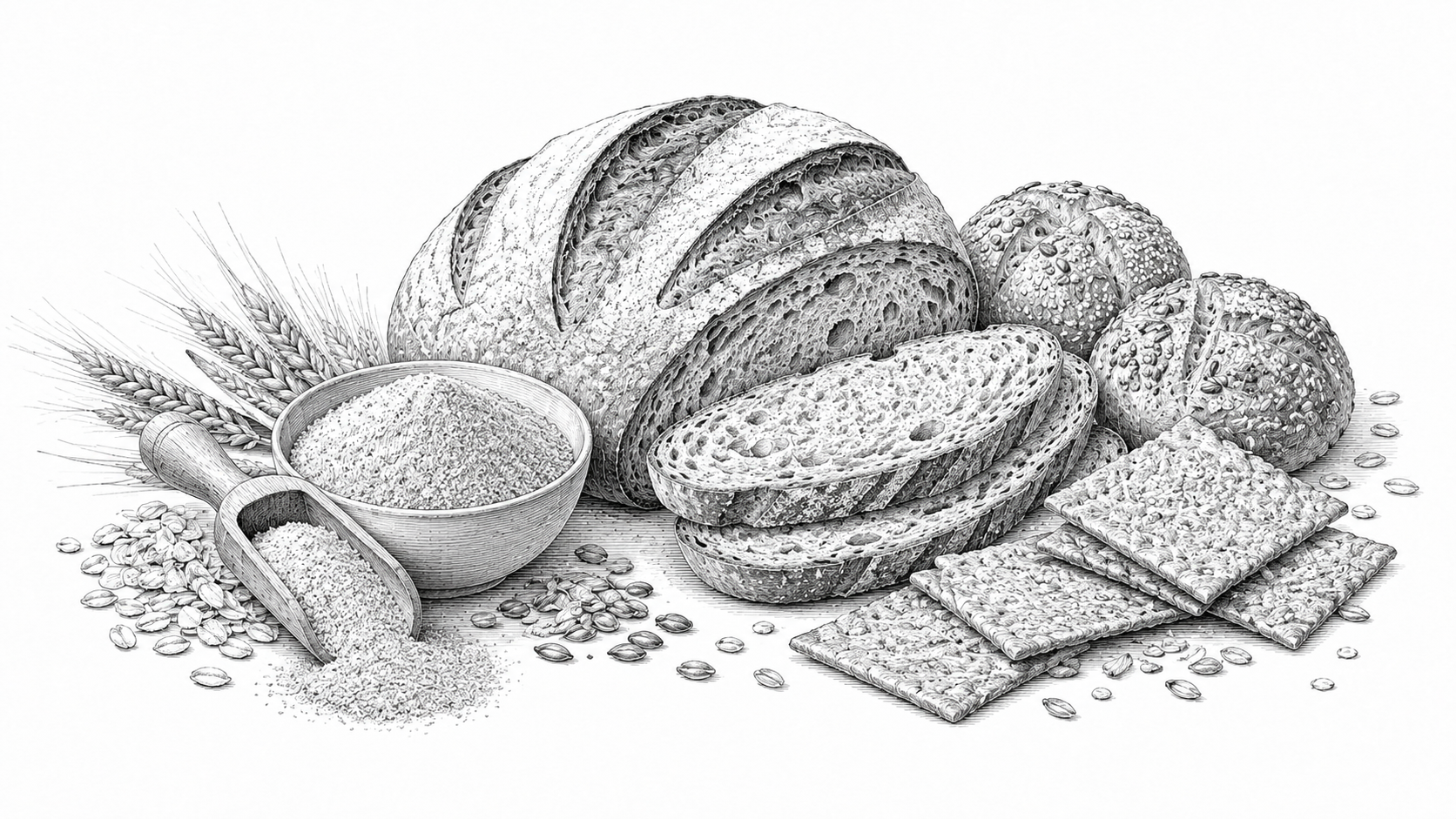
Gel-forming fibre in daily use
Gel-forming fibres absorb water and build viscosity. That is why preparation matters. Enough liquid, prompt mixing, and suitable timing can make a meaningful difference to the experience.
Fybrance treats consumer fibre communication as part of product quality: readable serving context, careful language, clear preparation, and no claim beyond what the product and market can responsibly support.
Read our quality viewWhat we are building
Daily fibre should feel like a clean habit, not a remedy.
Fybrance makes consumer fibre products that are smooth to mix, honest about what they contain, and pleasant enough to use every day.
The starting point is Regulate, a daily psyllium for getting gut health back on track: regular bowel movements, steadier post-meal sugar, and cholesterol support. Around it sits a small line built the same way: one clear job per product, and no claim the serving cannot support.
The direction is premium, transparent, and practical.
Daily psyllium that keeps bowel movements regular, post-meal sugar steadier, and cholesterol supported — and mixes smoothly enough to stay a habit.
Explore RegulateA controlled-viscosity fibre taken before eating, designed to add body and fullness to shakes, smoothies, and nutrition routines.
Explore SatietyFibre chews, jelly shots, and travel sachets for people who find powders inconvenient. Same fibre discipline, different format. In development.
The line
The range is a small set of purposeful products, each built around a different daily fibre need.
For people who want their gut back on a schedule.
Daily gel-forming psyllium that supports regular bowel movements, steadier post-meal sugar, and cholesterol goals — one habit, three regulations.
Explore RegulateFor people who want to add fibre gradually and comfortably.
A gentle, low-bloat prebiotic fibre chosen to feed the microbiome without the discomfort that puts people off.
Explore NourishFor people who want a fibre serving before meals to support fullness.
A viscous fibre taken with water before eating, so fullness arrives sooner and portions settle naturally.
Explore SatietyFor people who bake, not drink, their fibre.
A culinary binding fibre that gives structure to gluten-free breads, softer high-fibre rotis, and egg-free baking.
Explore BindFor people who want prebiotic and probiotic support in one step.
A synbiotic that pairs live cultures with the prebiotic fibre that feeds them, for longer-term digestive resilience.
Explore CultivateEvery product, whatever its purpose, carries the same transparency: what is inside, the serving its benefits are based on, and quality records behind each batch.
Daily fibre answers
Clean daily fibre means fibre with clear source identity, readable ingredient language, practical serving context, sensible preparation guidance, and responsible communication. It should be easy to understand without medical overstatement.
Daily fibre starts with ordinary foods such as vegetables, fruits, pulses, whole grains, millets, nuts, and seeds. Concentrated fibres can be useful when source, serving, water, preparation, and tolerance are understood.
Some fibres absorb water and form viscosity. Enough liquid and prompt mixing help the fibre hydrate more evenly and reduce the chance of an overly thick or clumpy preparation.
Fibre is important nutrition, but public communication should stay within evidence, product design, serving context, and market rules. Clear guidance builds more trust than broad health promises.